 Skip to content

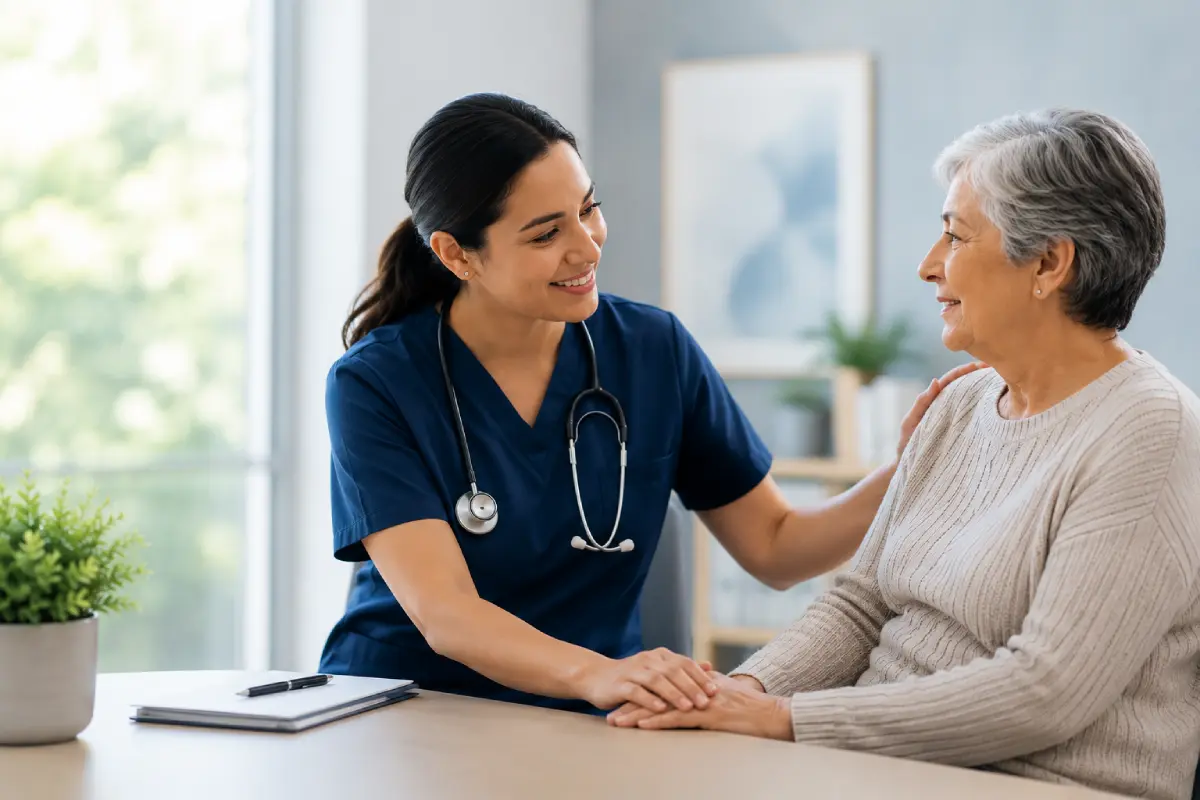
When someone is living with Parkinson’s disease, multiple sclerosis, ALS, stroke recovery, spinal cord injury, or another complex condition, everyday care can become more than help with meals, bathing, or transportation. The right caregiver must understand symptoms, safety risks, mobility changes, medication timing, equipment needs, and the emotional reality of living with a changing health condition.
At Nursing Styles, Specialized Medical Condition Care is designed for individuals and families who need more targeted support than general home care can provide. For families seeking specialized medical care in Florida, this type of care can bring structure, safety, and confidence into the home while helping loved ones maintain as much comfort and independence as possible.
Why do complex medical conditions need specialized home care?
Complex conditions often require caregivers who understand disease-specific symptoms, equipment, safety concerns, progression patterns, and care routines so support can be safer, more consistent, and better matched to the person’s daily needs.
Understanding Specialized Medical Condition Care
Specialized Medical Condition Care is personalized in-home support for people living with complex, chronic, progressive, or neurological health conditions. Unlike general assistance, this type of care is tailored to the specific condition and its effects on movement, communication, energy, swallowing, cognition, safety, comfort, and independence.
People with Parkinson’s disease, multiple sclerosis, ALS, stroke recovery needs, traumatic brain injury, spinal cord injuries, paralysis, and other medical disorders needing further information may benefit from this therapy. The objective is to support the individual and family with helpful, considerate guidance while providing condition-aware care that adjusts as requirements change.
Benefits of Special Medical Condition Care –
More Personalized Daily Support
One of the biggest benefits of specialized medical care is personalization. Complex conditions affect each person differently, even when the diagnosis is the same.
A care plan may include mobility assistance, meal support, medication reminders, equipment assistance, fall prevention, range-of-motion support, communication strategies, and family education. Instead of using the same routine for everyone, specialized care considers a person’s symptoms, abilities, risks, preferences, and goals.
Better Symptom Awareness
Caregivers trained in specialized medical conditions are better prepared to recognize patterns and changes. This can be especially important with progressive or unpredictable conditions.
For example, increased stiffness, changes in speech, worsening fatigue, difficulty swallowing, changes in balance, or new confusion may signal the need for provider input. Early recognition can help families respond sooner and may reduce avoidable complications.
Support for Progressive Conditions
Some conditions change gradually over time. What worked last month may no longer be safe or effective today.
As capacities vary, so does specialized medical condition care. Routines, mobility assistance, safety modifications, and sharing concerns with family members or medical professionals are all things that caregivers can assist with. This flexibility is especially valuable for Parkinson’s disease, ALS, multiple sclerosis, and other progressive conditions.
Safer Mobility and Fall Prevention
Many complex medical conditions increase fall risk. Muscle weakness, tremors, poor balance, dizziness, vision changes, foot drop, fatigue, or impaired coordination can make walking or transfers more difficult.
Specialized caregivers understand how to support movement safely. They may assist with transfers, mobility aids, positioning, and environmental safety. The goal is not to take away independence. The goal is to support movement more safely and confidently.
Help With Specialized Equipment
Complex condition care often involves medical or mobility equipment. This may include walkers, wheelchairs, lifts, braces, feeding equipment, communication devices, hospital beds, or other supportive tools.
Using equipment incorrectly can increase risk. Specialized caregivers can help with proper setup, positioning, safe transfers, and daily use. This support can make home care feel less overwhelming for families.
Better Coordination With Therapies
Many people with complex conditions receive physical therapy, occupational therapy, speech therapy, or rehabilitation support. Specialized caregivers can help reinforce therapy goals during daily routines.
For example, they may help with safe movement patterns, swallowing precautions, communication strategies, energy conservation, or range-of-motion activities, as instructed. This can help the person get more value from their overall care plan.
Family Education and Confidence
Families often want to help but may not know the safest way to do so. They may worry about falls, choking, medication routines, mobility changes, or emotional shifts.
Specialized care includes education and guidance. Caregivers can help families understand condition-specific needs and practical ways to support their loved ones. This can reduce stress and help everyone feel more confident at home.
Support for Independence
Specialized care does not mean doing everything for the person. A good care plan encourages independence wherever possible.
This may include allowing extra time for tasks, using adaptive tools, helping with safe movement, or breaking activities into manageable steps. Maintaining independence can support dignity, confidence, and emotional well-being.
The Complex Condition Care Process –
Care Assessment
The first step is understanding the person’s needs. This includes medical concerns, mobility, communication, cognition, pain, fatigue, equipment, daily routines, and personal preferences.
A strong assessment also looks at the home environment. Stairs, bathrooms, bedroom setup, lighting, flooring, and furniture can all affect safety. This step helps create practical care rather than generic care.
Personalized Care Planning
Once needs are understood, the care plan is built around the person’s condition and daily life. This may include morning routines, meal support, medication reminders, mobility help, therapy support, symptom monitoring, and family communication.
The plan should also include what to watch for and when to alert family or healthcare providers. A clear plan helps everyone feel more prepared.
Trained Caregiver Support
Caregivers are matched based on the level of support needed. For specialized conditions, training and experience matter.
A caregiver supporting ALS, Parkinson’s, stroke recovery, or spinal cord injury should understand the unique risks and care techniques involved. This helps make day-to-day support safer and more consistent.
Ongoing Monitoring and Adaptation
Complex conditions can change. Specialized care should change with them.
Caregivers may document changes in mobility, appetite, mood, symptoms, energy, communication, or safety concerns. These details can help families and providers make better decisions. Ongoing monitoring helps keep care aligned with the person’s real needs.
Care That Meets the Condition and the Person
Specialized Medical Condition Care helps people with complex medical needs receive support that is safer, more informed, and better matched to their condition. It can improve daily comfort, reduce risks, support independence, guide families, and adapt as needs change.
At Nursing Styles, specialized care is designed to support both the medical complexity and the person living with it. To explore care options for a loved one, Book online.


